


Tips for Designing Homes That Fit Your Needs
- Kim Layne Interiors

- Mar 19
- 3 min read
A home should be more than just a beautiful space. It should support your family’s daily routines, make life easier, and create a place where everyone feels comfortable. Every family is different, so the way a home is designed should reflect the people who live in it. Whether you have young children, teenagers, or a growing household, thoughtful design can make a big difference.
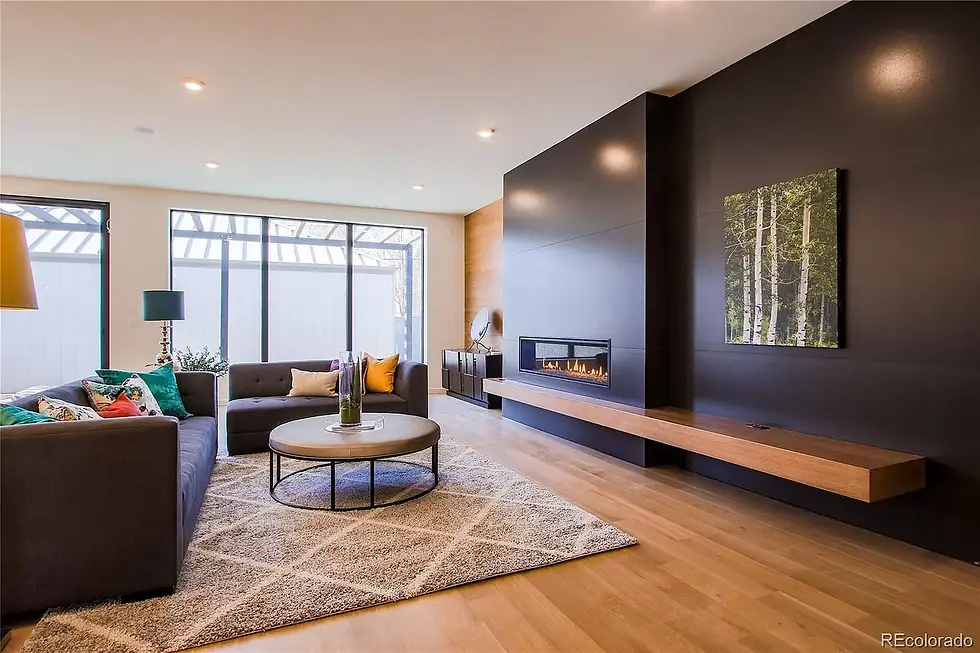
Here are some simple tips to help create a home that truly fits your family’s needs.
1. Start With Your Family’s Daily Routine
Before choosing furniture or colors, think about how your family uses the home every day. Do the kids need a place to do homework? Does someone work from home? Do you enjoy hosting family dinners or movie nights?
Designing around your daily habits helps ensure the space works for you. For example, an open kitchen and dining area can make it easier for families to cook, eat, and spend time together.
2. Create Spaces for Both Togetherness and Privacy
Family time is important, but everyone also needs their own space sometimes. A well-designed home should include areas where the family can gather, as well as quieter spots for rest or focus.
A cozy living room encourages connection, while a small reading corner, study area, or private bedroom helps family members relax and recharge.
3. Choose Furniture That Is Practical
Beautiful furniture is great, but it should also work for everyday life. Families often benefit from furniture that is durable, easy to clean, and comfortable.
For example, washable fabrics, sturdy tables, and multi-purpose furniture—like storage benches or ottomans—can make the home both stylish and practical.
4. Add Smart Storage Solutions
Clutter can quickly build up in a busy household. Good storage helps keep the home organized and stress-free.
Consider built-in shelves, baskets, storage cabinets, or hidden compartments in furniture. A well-designed entryway with hooks and storage for bags, shoes, and jackets can also help keep things tidy.
5. Make Spaces Flexible
Family needs change over time. A playroom today may become a study area tomorrow. Designing flexible spaces allows your home to grow with your family.
Rooms that can easily change purpose—such as a guest room that doubles as a home office—can make your home more functional in the long run.
6. Focus on Comfort and Warmth
A family home should feel welcoming. Soft lighting, comfortable seating, and warm colors can help create a relaxed atmosphere where everyone enjoys spending time.
Adding personal touches like family photos, artwork, or meaningful décor also makes the space feel more special and connected to the people living in it.
7. Involve the Whole Family
Designing a home can be a fun process when everyone is involved. Let family members share their ideas and preferences. Even small choices—like picking colors or decorations—can help everyone feel part of the space.
When each person has a small influence on the design, the home becomes more personal and meaningful.
Final Thoughts
Designing a home that fits your family’s needs is about balance. It combines beauty, comfort, and functionality in a way that supports everyday life. By focusing on how your family lives, choosing practical solutions, and creating flexible spaces, you can build a home that grows with you and supports the moments that matter most.
At the end of the day, the best homes are not just well-designed—they are places where families connect, relax, and create lasting memories.


Comments